‼️ Hedge funds cut short-only bets on European diesel to a two-year low and added fresh long positions, signaling expectations that the historic fuels crunch will persist.
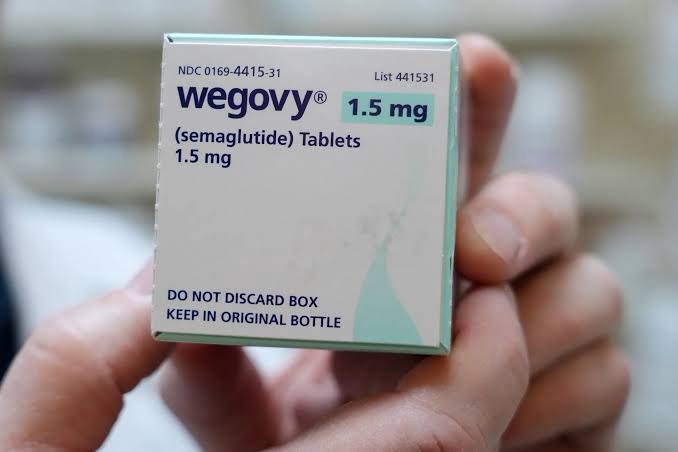
‼️ Novo Nordisk is testing ultra-low doses of its Wegovy pill to find the minimum effective amount for weight loss, as over two-thirds of US patients already take the two lowest doses (1.5 mg and 4 mg).
‼️ 🇮🇷 Iran’s president, Masoud Pezeshkian, called for an immediate end to the war with the US, arguing it should conclude now “with power and dignity” while the world recognizes Iran’s victory—pushing back against hardliners favoring continued conflict.
📌 Update: AI in HR is moving decisively from pilot projects and narrow tools such as résumé screening toward agentic workflow automation and enterprise-wide orchestration—where the greater investment opportunity lies in redesigning the HR operating model. The overall market is estimated at roughly $6.3–$8.3 billion in 2026 and is projected to reach $16.8–$21.8 billion by 2030–31, implying 19–25% annual growth; AI workflow software is the highest-growth segment, expanding from $2.7 billion to $24.6 billion by 2036. Adoption is already broad, with 81–87% of enterprises using, testing, or scaling AI in recruiting, while 39% of HR functions have deployed AI and a further 7% expect to adopt it in 2026
📌 For high‑net‑worth capital, we prioritize engineered performance over marketing:
🔴 $250K+ | 5 years – Targeted: 0.5% monthly income plus 15% annually.
🟡 $100K+ | 2 years – Targeted: 0.5% monthly income plus 11% annually.
🟠 Below $100K | 4 years – Fixed 9% annual return, designed to outperform typical market benchmarks
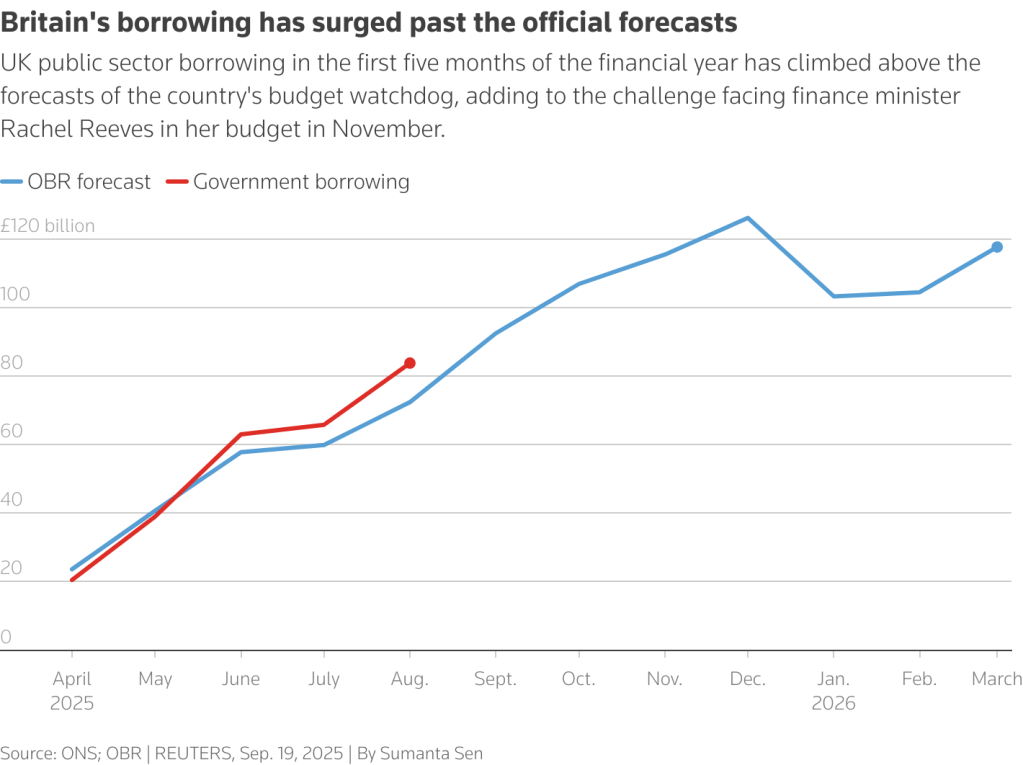
‼️ 🇬🇧 BREAKING: UK government borrowing rose in July from a year earlier, with a budget deficit of £1.8 billion, up £0.7 billion from the month in 2025 and exceeding economist estimates for no change.












 AlgoTrader