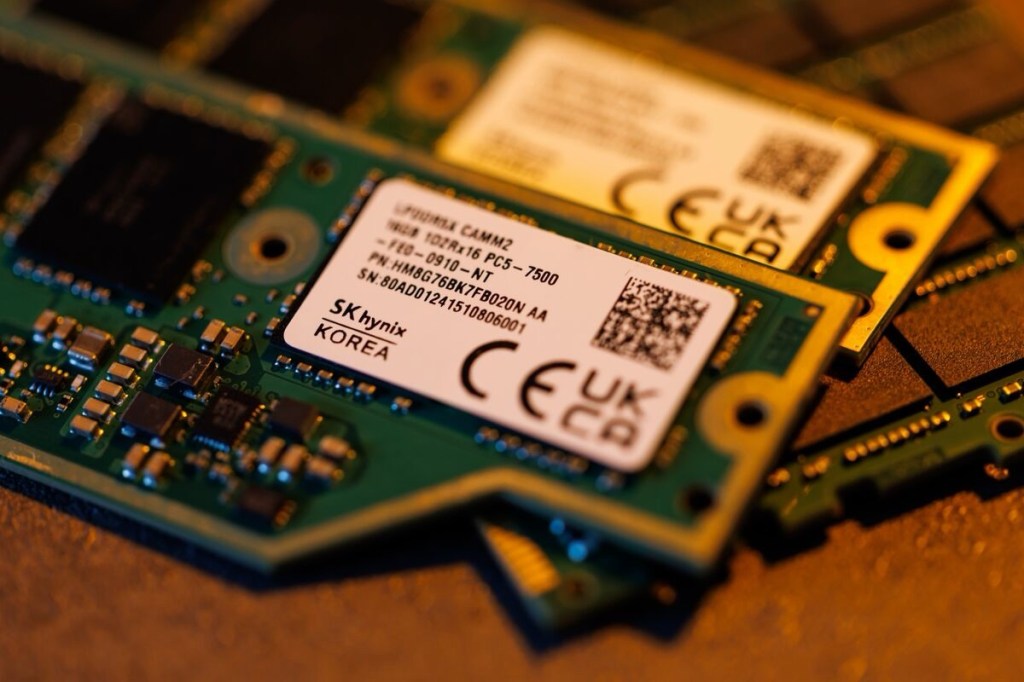
‼️ 🧠 🇰🇷 SK Hynix shares defied a broader AI-stock selloff as plans for a 16 trillion won ($12 billion) special dividend, distributing most of its 20 trillion won first-half gains on its Kioxia stake, boosted sentiment. The potential payout and the company’s decision to scrap its Solidigm unit’s US listing provided near-term support.
‼️ 🇦🇺 Australia’s central bank has warned that the country’s A$4.8 trillion ($3.4 trillion) pension industry faces mounting cash-flow pressures as about 2.5 million people retire over the next decade, pushing funds into net outflows as retirees draw down their savings.
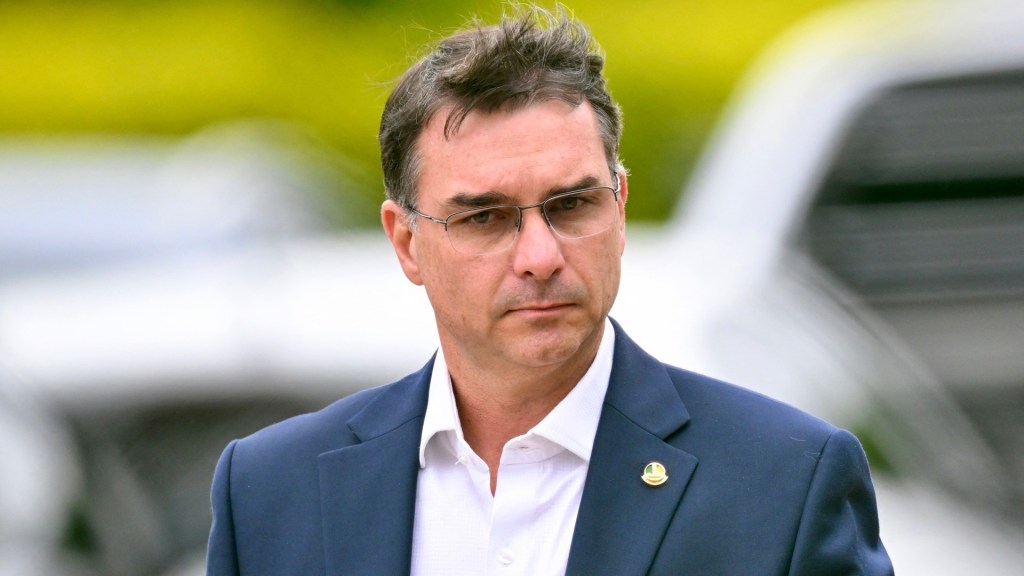
‼️ 🇧🇷 BREAKING: Flavio Bolsonaro says he will ask for Brazil’s presidential election to be annulled for tonight’s historic defeat. The opposition candidate called what happened in Brazil today “unacceptable,” saying the rules were changed “in the middle of the game.”
‼️ 🇮🇷 🇺🇸 President Donald Trump said it is “getting to be decision time” on a deal with Tehran or renewed strikes, suggesting attacks could resume after the Nov. 3 midterms as Iranian and Houthi threats against Americans grow. Washington has dispatched additional forces, including a third aircraft carrier group, toward the Persian Gulf, while Iran prepares for a fresh bombing campaign and potential retaliation against Israel, the UAE and other regional targets.
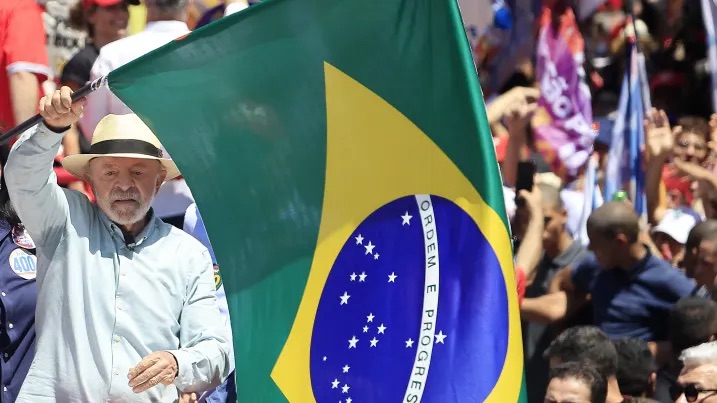
‼️ 🇧🇷 BREAKING: Luiz Inácio Lula da Silva has won a fourth term as Brazil’s president, coming from behind to beat Senator Flávio Bolsonaro in a runoff that split the country almost evenly.