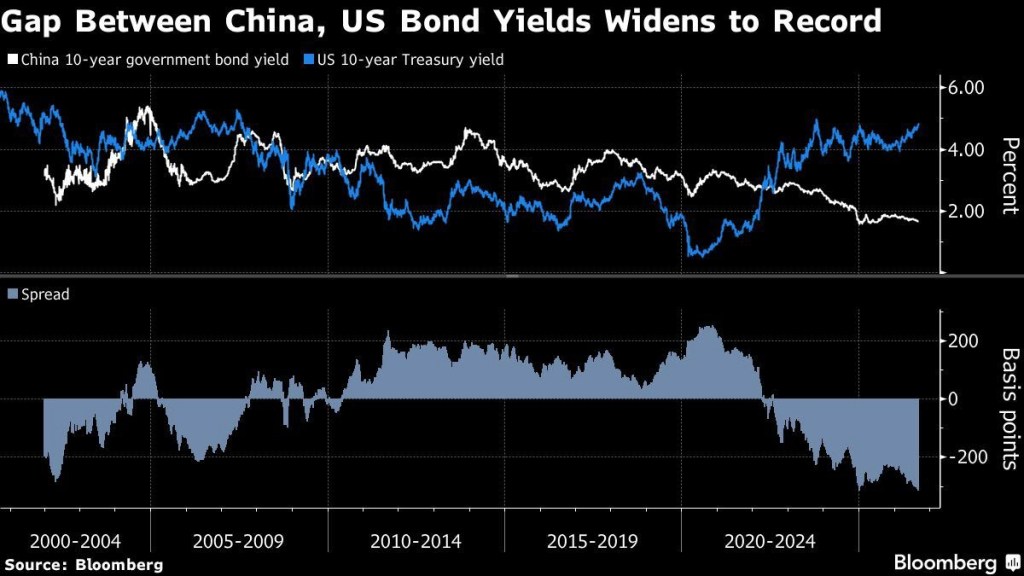
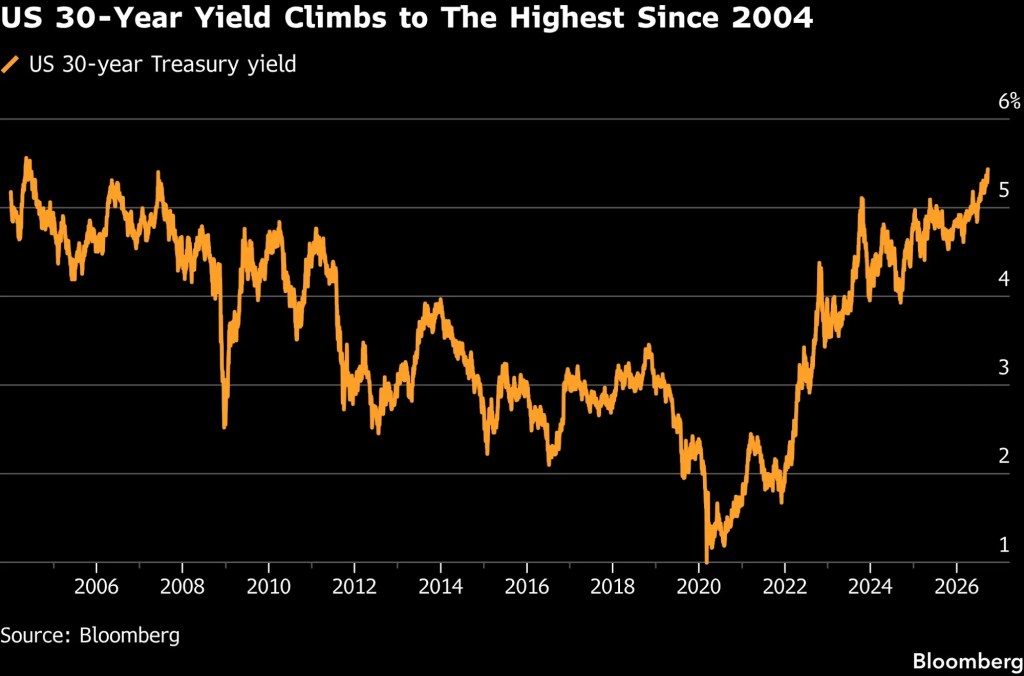
‼️ BREAKING: US 30-year Treasury yields climbed as much as four basis points on Thursday to 5.44%, the highest since 2004, marking the latest milestone in an extended bond selloff fueled by inflation and fiscal concerns.
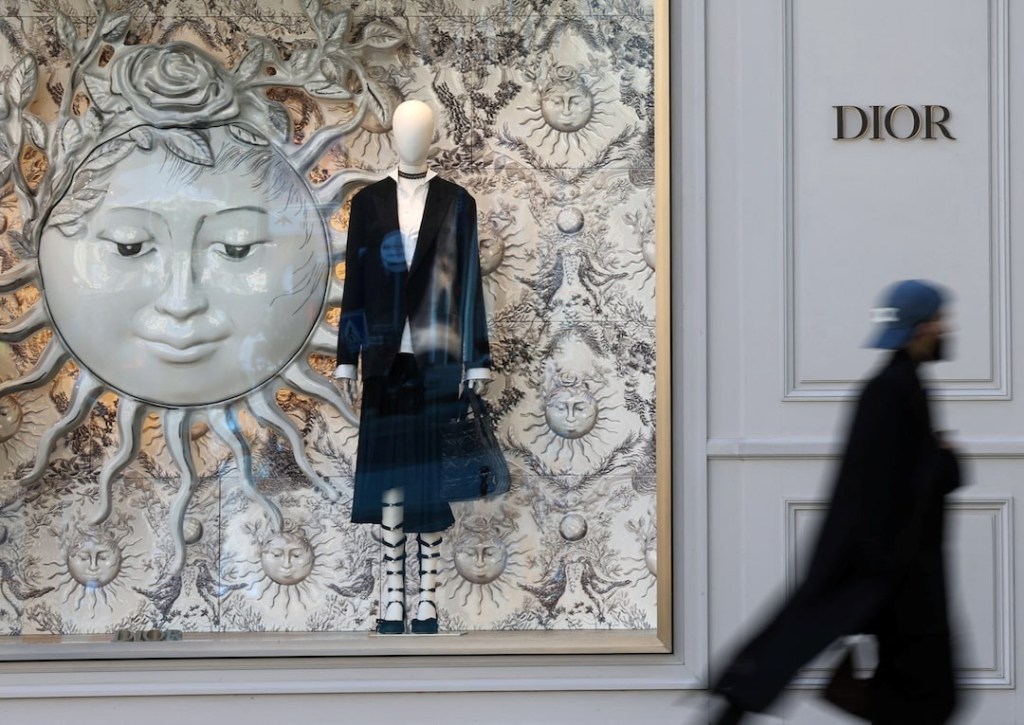
‼️ 👗 Christian Dior shares jumped 17% on Thursday after the Arnault family unveiled plans to consolidate the luxury group under its holding structure, offering €469.05 per share in cash for the minority stake it doesn’t already own—a 28% premium to Wednesday’s close.
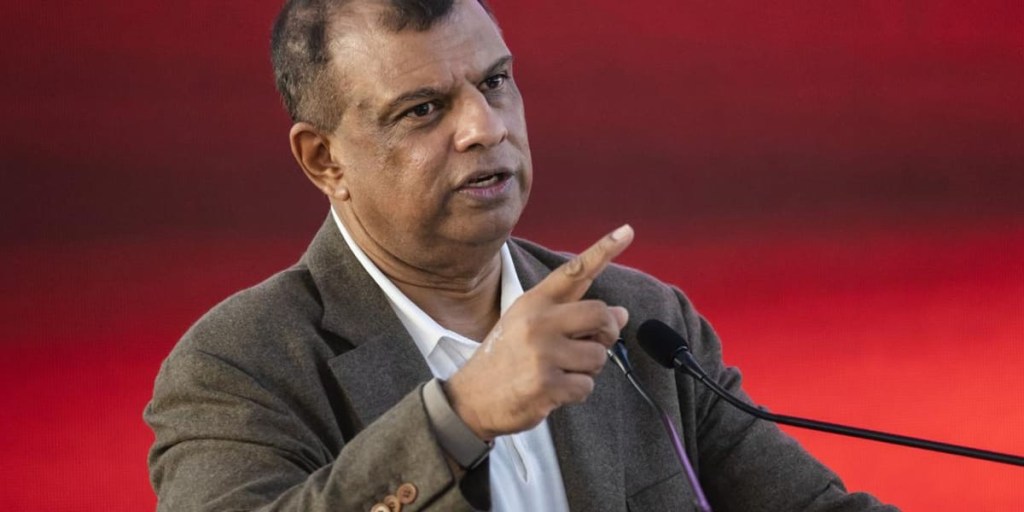
‼️ 🇲🇾 Hamzah Zainudin, a veteran political operator who helped propel two Malaysian prime ministers to power, is seeking to unite PAS and UMNO—the country’s two largest Malay-Muslim parties—through his new Parti Wawasan Negara. Backed by PAS, Hamzah has become parliamentary opposition leader and aims to build a bloc that could destabilize Prime Minister Anwar Ibrahim’s UMNO-backed coalition and emerge as a powerful force ahead of elections due by early 2028.
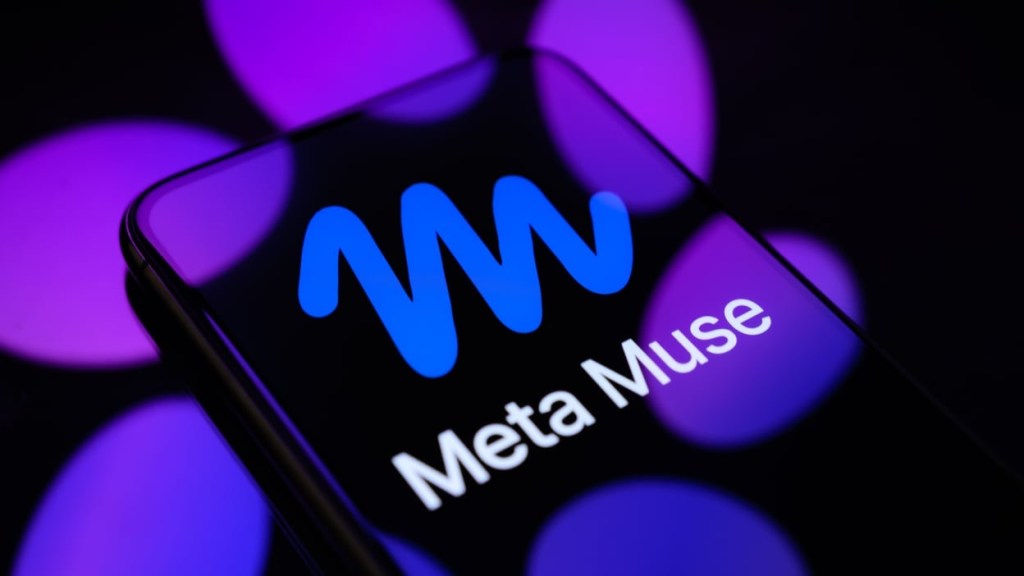
‼️ 🧠 Meta Platforms (NASDAQ:META) on Wednesday launched Muse Charm, a palm-sized, 5G-enabled device with a small screen that lets users interact with its Muse AI agent without a phone, set to go on sale by December, alongside new smart glasses models including a camera-less version. CEO Mark Zuckerberg said Muse could help generate financial returns for users, noting Meta will keep the agent free for a “huge number of tokens” while planning to introduce a “small” transaction fee.
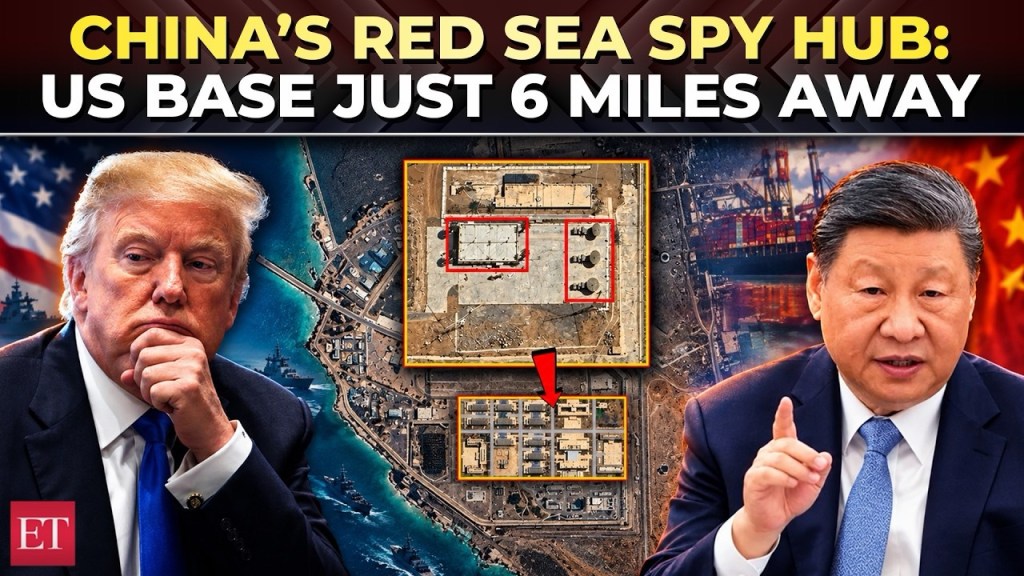
Alpha Binwani Capital: “The Houthis have gained unprecedented military autonomy by manufacturing weapons inside Yemen, with China-sourced equipment and parts fueling this expansion of their military-industrial complex, according to Yemeni officials, intelligence sources, shipping experts, UN reports, and customs data reviewed alongside recent seizures. Because most components are dual-use, the shipments skirt the UN arms embargo on the Houthis, and there’s no evidence the Chinese suppliers knew the final destination. The development raises the risk of a Houthi blockade of the Bab el-Mandeb, which—layered on existing Iran-US disruptions in the Strait of Hormuz—could further choke Red Sea traffic carrying roughly 12% of global seaborne trade”