Global Equities: Citi Sees Upside—But Earnings Must Earn the Rally October 7, 2026 http://wealthcreation.clubLeave a comment ‼️ 💰 Global Equities: Citi Sees More Upside. Investors Should Demand Earnings—not Pay for OptimismRead More: https://bit.ly/CitiStocksBull#GlobalEquities #InstitutionalInvesting #AssetAllocation #EarningsGrowth #EquityStrategy #RiskManagement
Peter Lynch’s Sell-Off Rule: Do Your Homework, Not a Panic Sale October 7, 2026 http://wealthcreation.clubLeave a comment ‼️ Peter Lynch’s Rule for Selling Pressure: Research, Don’t ReactRead More: https://bit.ly/Lynch-DoNotReact#PeterLynch #ValueInvesting #StockMarket #MarketCrash #InvestmentStrategy #EquityResearch #Fundamentals #RiskManagement
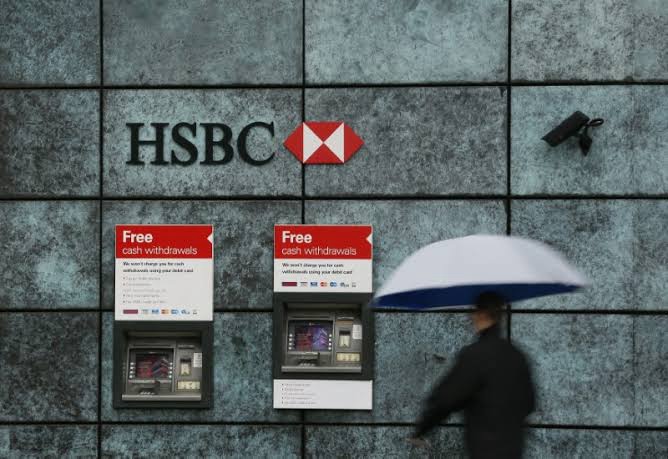
HSBC’s AI Wealth Bet: Fewer Advisers, Fatter Margins—or a Premium at Risk? October 7, 2026 http://wealthcreation.clubLeave a comment ‼️ 🇬🇧 HSBC’s Wealth Reset: Cut Advisers, Defend Fees—Can AI Protect the Premium?Read More: https://bit.ly/HSBCWealthReset#HSBC #WealthManagement #Banking #ArtificialIntelligence #EquityResearch #InstitutionalInvestors #CapitalAllocation
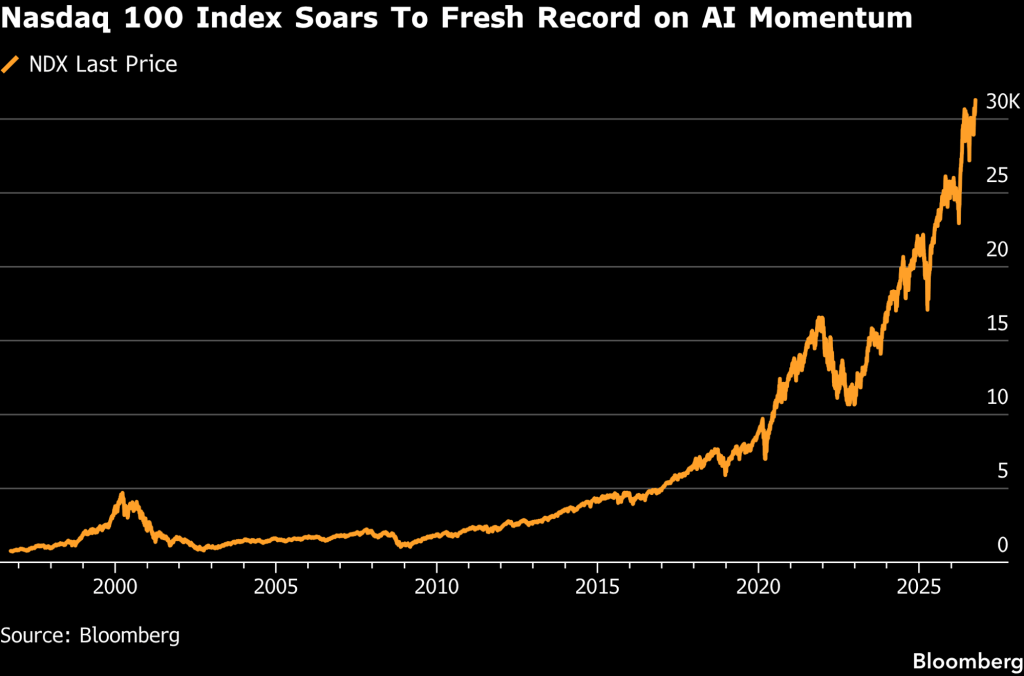
Big Tech, Bigger Risks: Is BofA’s Options Play Worth the Price of Keeping Up? October 7, 2026 http://wealthcreation.clubLeave a comment ‼️ 🧠 Tech Megacaps, Bubble Risk and the Cost of Keeping Up: BofA’s Options Play Demands ScrutinyRead More: https://bit.ly/TechBubbleBofA#InstitutionalInvesting #EquityDerivatives #Nasdaq100 #PortfolioStrategy #RiskManagement #AssetAllocation
Iran’s Oil May Still Flow—But Without Fresh Loadings, Revenue Runs Dry October 7, 2026 http://wealthcreation.clubLeave a comment ‼️ 🇮🇷 Iran may still deliver oil. But if fresh loadings have stopped, it cannot sustain oil revenueRead More: https://bit.ly/Iran-Oil-Hormuz#OilMarkets #Iran #EnergyMarkets #BrentCrude #Geopolitics #Commodities #OPEC #TankerTracking #InstitutionalInvesting #MacroStrategy #EnergySecurity #PersianGulf
S&P 500 Earnings Are Rising—But So Is the Cost of Missing Expectations October 7, 2026 http://wealthcreation.clubLeave a comment ‼️ 💰 S&P 500 Earnings Are Getting Upgraded Into Results—A Bullish Signal That Also Raises the Price of DisappointmentRead More: https://bit.ly/Earnings-Upgraded#EarningsSeason #SP500 #Equities #InstitutionalInvesting #EquityResearch #FinancialMarkets #AssetManagement #Investing #MarketOutlook #EarningsGrowth #USStocks #CapitalMarkets
France’s €43 Billion Gamble: Savings on Paper, Survival Risk in Reality October 7, 2026 http://wealthcreation.clubLeave a comment ‼️ 🇫🇷 France’s €43 Billion Fiscal Gamble: Don’t Price the Savings Before Pricing the Survival RiskRead More: https://bit.ly/FranceFiscalGamble#AlphaBinwaniCapital #France #FixedIncome #SovereignDebt #FiscalPolicy #PoliticalRisk #InstitutionalInvestors
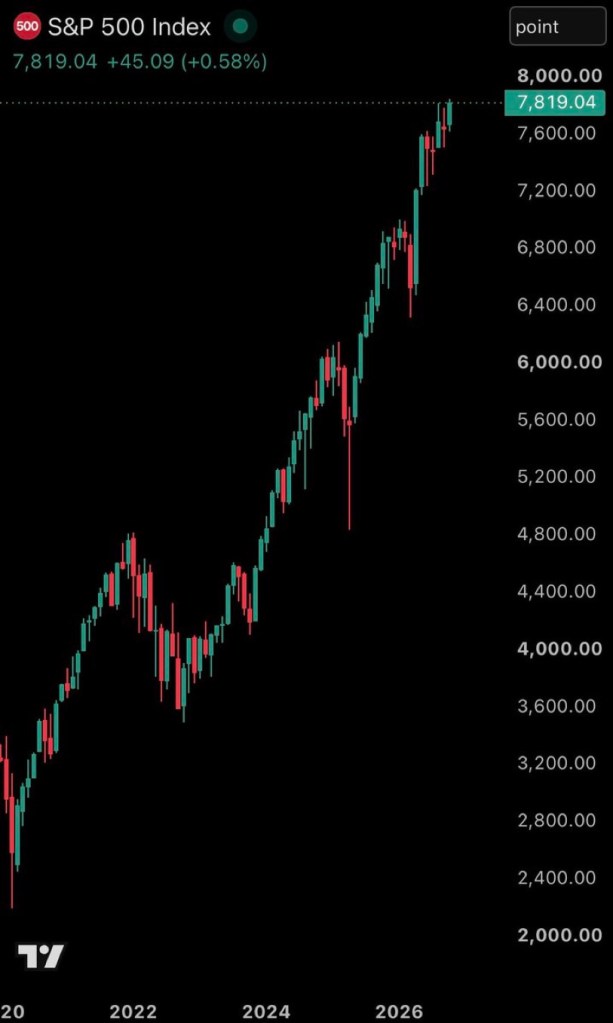
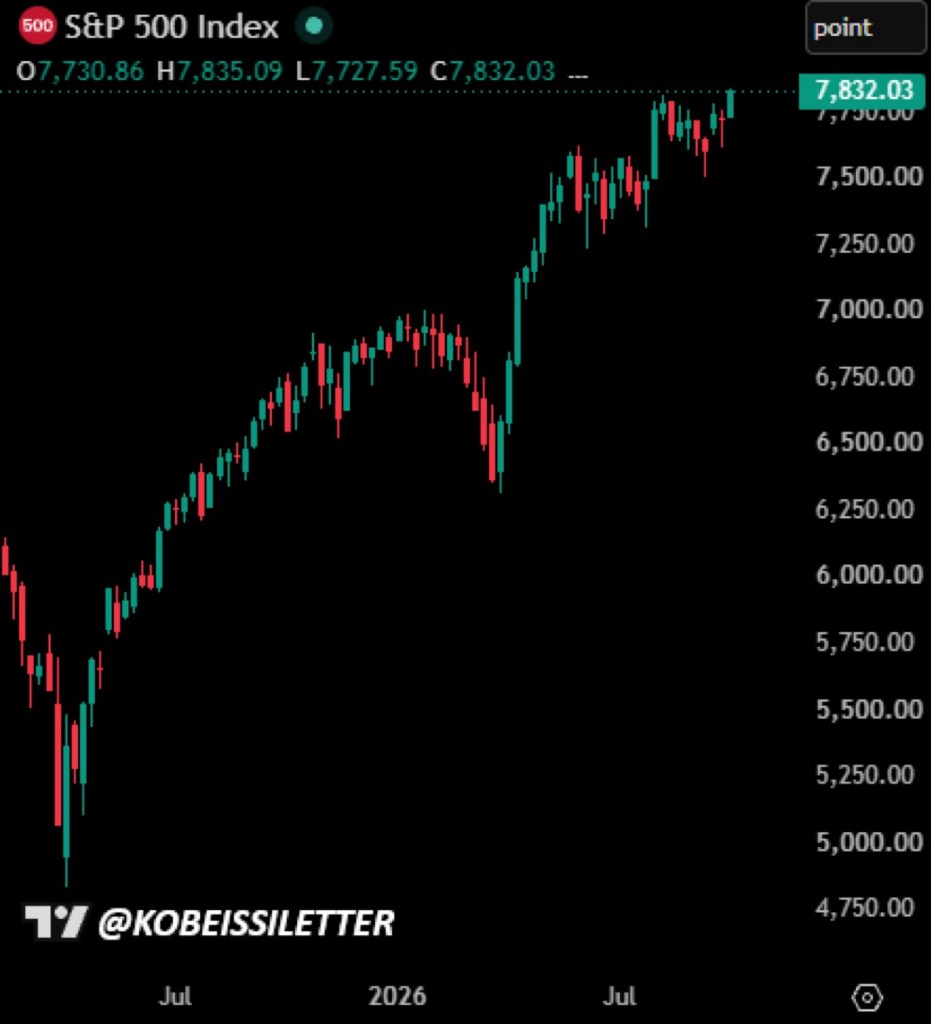
From March Lows to Record Highs: S&P 500 Adds $13.5 Trillion October 7, 2026 http://wealthcreation.clubLeave a comment BREAKING: The S&P 500 closes at its highest level on record, adding +$13.5 trillion in market cap since its March 30th bottom.
JPMorgan’s $2.69T Deposit Moat Is Rewriting the Rate-Cycle Trade October 6, 2026 http://wealthcreation.clubLeave a comment ‼️ 🏦 JPMorgan Is Still Being Priced Like a Rate-Cycle Trade. Its Deposit Machine Suggests It Deserves a Franchise PremiumRead More: https://bit.ly/JPM-Undervalued#JPMorgan #JPM #Banking #Financials #EquityResearch #InstitutionalInvesting #NetInterestIncome #BankStocks
America’s $82 Trillion Equity Juggernaut Leaves Global Markets Behind October 6, 2026 http://wealthcreation.clubLeave a comment ‼️ 💰 $82 Trillion and Rising: America’s Equity Market Is Pulling Further Away From the Rest of the WorldRead More: https://bit.ly/ClassOfItsOwnSPX#SP500 #USStocks #Equities #AssetAllocation #InstitutionalInvestors #CapitalMarkets #MarketCap #WealthManagement