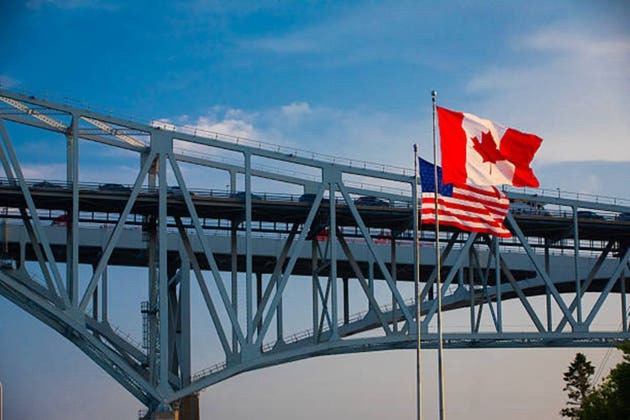
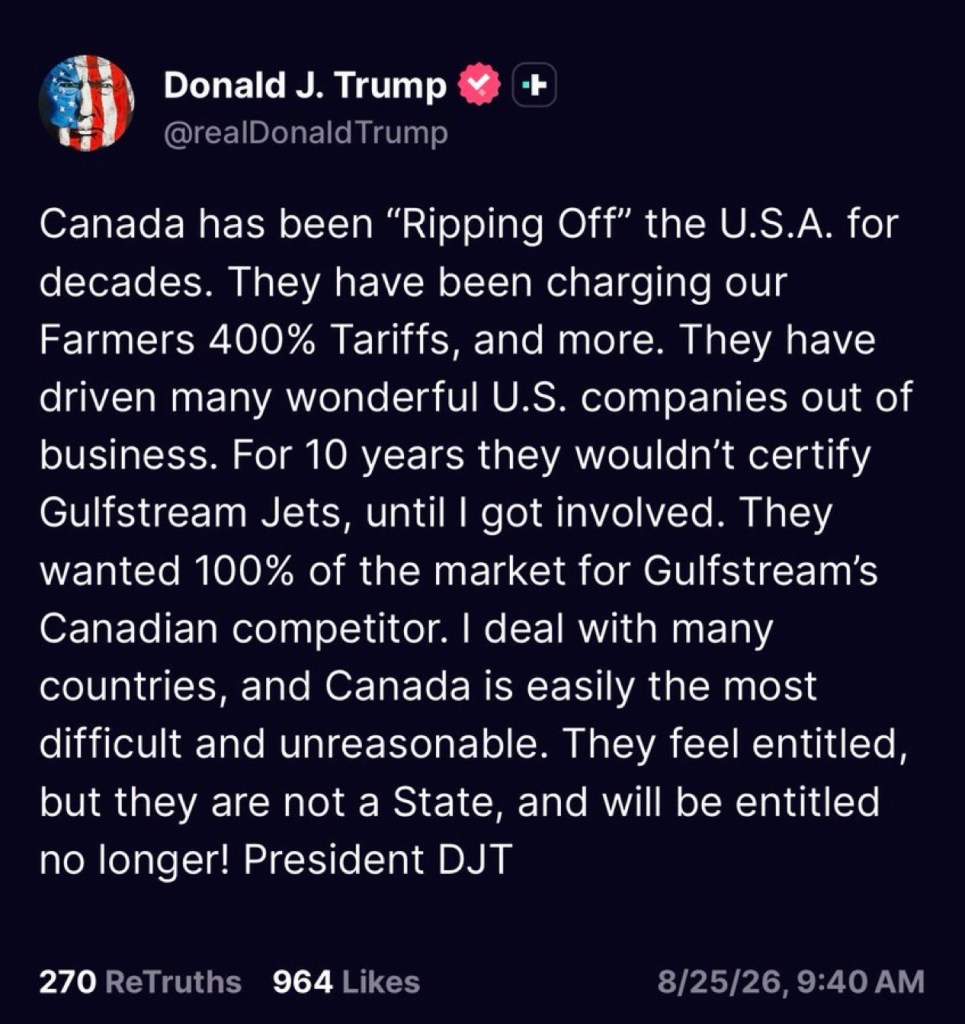
‼️ BREAKING: Canada imposed retaliatory tariffs on roughly $20 billion of U.S. goods, matching “dollar for dollar” the 50% import duties President Donald Trump introduced after U.S.-Canada trade talks collapsed. Trump responded angrily on Truth Social, even floating the idea of renaming Lake Ontario “Lake America.”
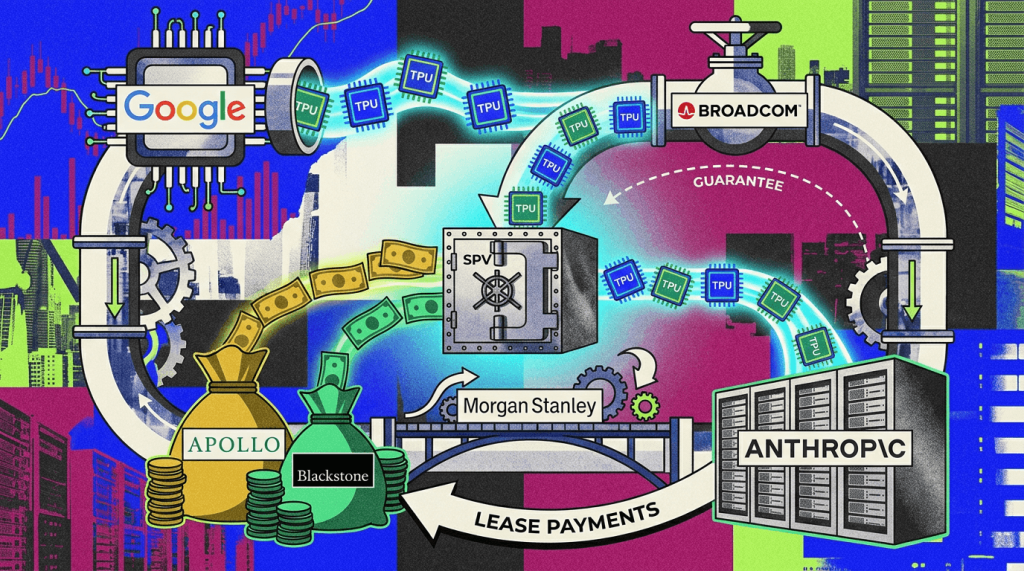
‼️ 🧠 Morgan Stanley analyst Brian Nowak raised Google’s custom TPU (tensor processing unit) revenue outlook, citing reports that Google has committed to supply roughly 1 million TPUs (~1.3 GW) for about $35 billion—implying ~$27 billion per GW, up from the firm’s prior $20 billion/GW assumption at 20% gross margin. The bank now models 1P TPU system sales at $27 billion/GW with a 30% gross margin, supported by Google’s expanded custom-silicon deal with Marvell (MRVL). On this basis, Morgan Stanley expects Google to sell 0.3 GW of TPU systems in 2H 2026, 3.2 GW in 2027, and 4.2 GW in 2028, translating to $84 billion and $108 billion of TPU-related Google Cloud revenue in 2027 and 2028, respectively, and a potential $200 billion TPU revenue stream over the next few years.
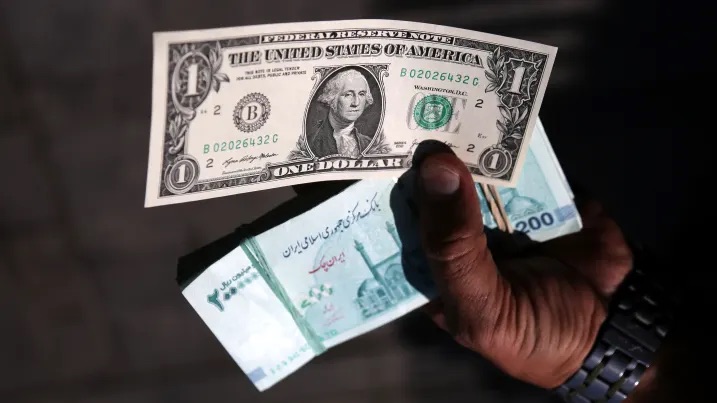
‼️ 🇮🇷 🇺🇸 China reported $9.96 billion in bilateral trade with Iran in 2025, excluding an estimated $31.2 billion of unreported Iranian crude exports, most of which flow to independent Chinese refiners disguised as Malaysian or Indonesian oil and settled via non-dollar intermediaries. The UAE remains Iran’s key financial gateway, with bilateral trade of about $28 billion in 2024, while Turkey-Iran trade totalled $5.7 billion; Iranian gas imports into Turkey surged this year ahead of the expiry of their 25-year supply agreement, lifting Iran’s share of Turkey’s gas imports to 18.6%. India, once among Iran’s largest trading partners, saw bilateral trade decline to roughly $1.6 billion in the year through March 2026.
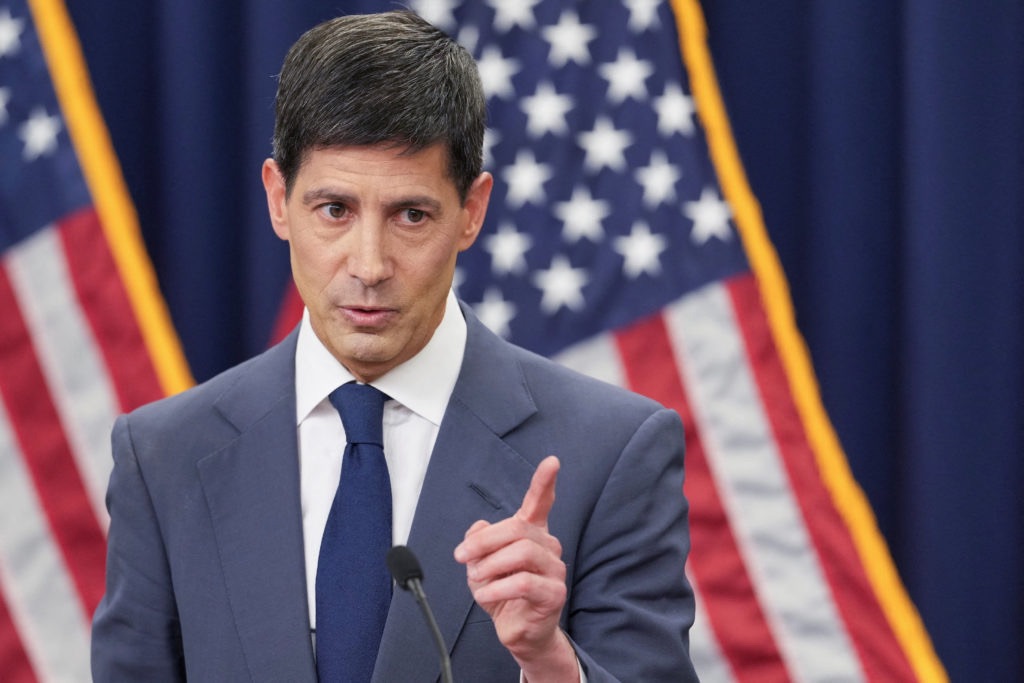
‼️ 🇺🇸 Kevin Warsh’s first major speech as Fed chair at Jackson Hole on Friday will test his pared-back communications approach after a shaky press conference last month sparked a bond-market backlash. Critics say he has been too opaque about the economic outlook and the rationale for holding policy steady, while Warsh remains determined not to give investors explicit guidance on future rate moves. The challenge has intensified after Treasury Secretary Scott Bessent unexpectedly announced US debt buybacks aimed at lowering long-term yields. Markets will be watching for clearer explanations of the Fed’s assessment of inflation and policy risks—particularly after Warsh declined to frame further rate hikes as a plausible tool and made remarks about the 2% inflation target that fueled speculation it could be reconsidered in January
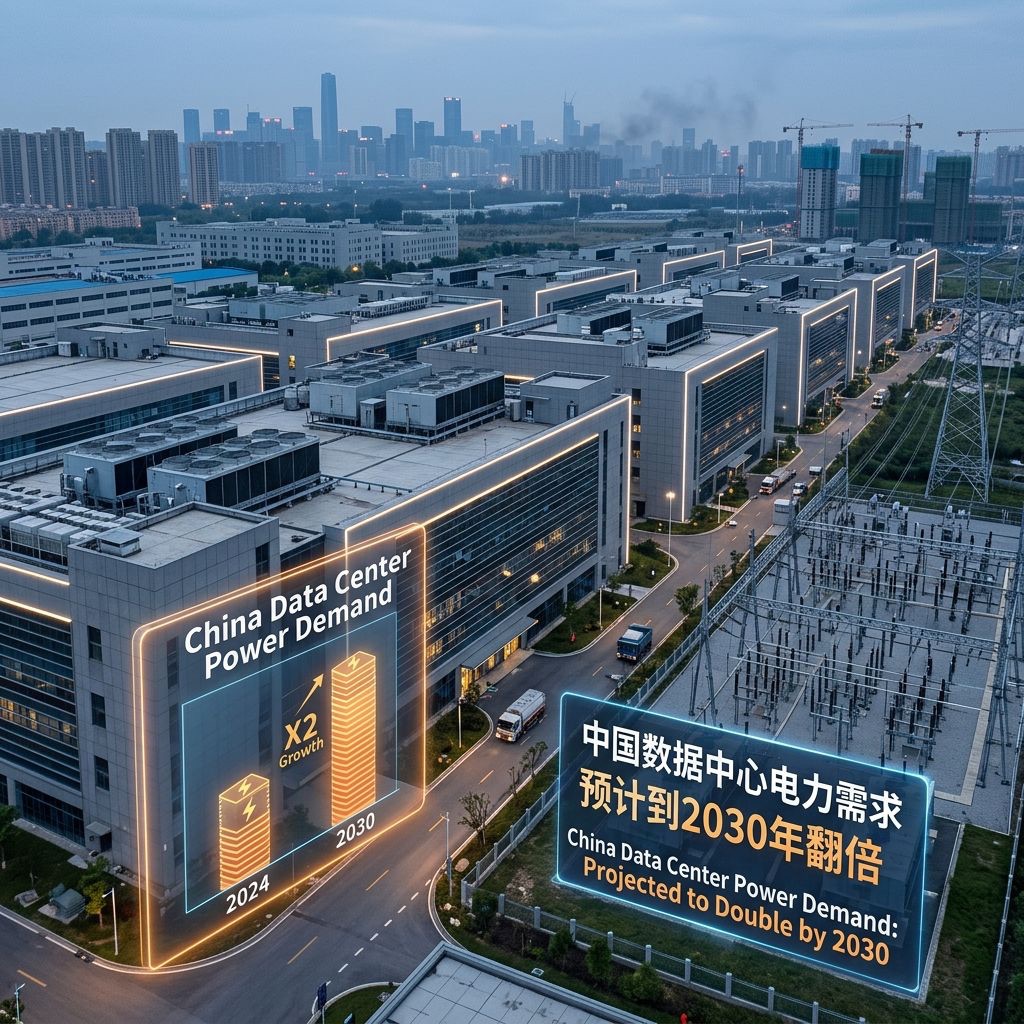
‼️ 🇨🇳 🧠 BREAKING: CHINA’S DATA CENTERS ARE SET TO INCREASE THEIR ELECTRICITY USAGE FOUR TIMES BY 2030, OUTPACING CURRENT POWER CONSUMPTION OF SOUTH KOREA.
‼️ Private equity firms, which amassed nearly $4 trillion in assets during the low-rate era, are struggling to sell portfolio companies as higher borrowing costs depress valuations and dealmaking. With $3.8 trillion of unsold assets and average holding periods stretching to seven years, the exit backlog has become a structural industry problem, dragging down cash distributions to investors. In response, firms are turning to “structured equity”—hybrid debt-and-equity deals that can boost reported fund performance and provide liquidity while allowing managers to retain companies they cannot yet sell at attractive prices, though some institutional investors worry this prioritizes upfront cash over long-term returns.
‼️ 🇦🇺 Eight months after Australia banned under-16s from social media platforms such as TikTok, young users appear to be returning in large numbers: 26% of 13- to 15-year-olds were using TikTok last month, only one percentage point below the level before the landmark restrictions took effect.











 AlgoTrader