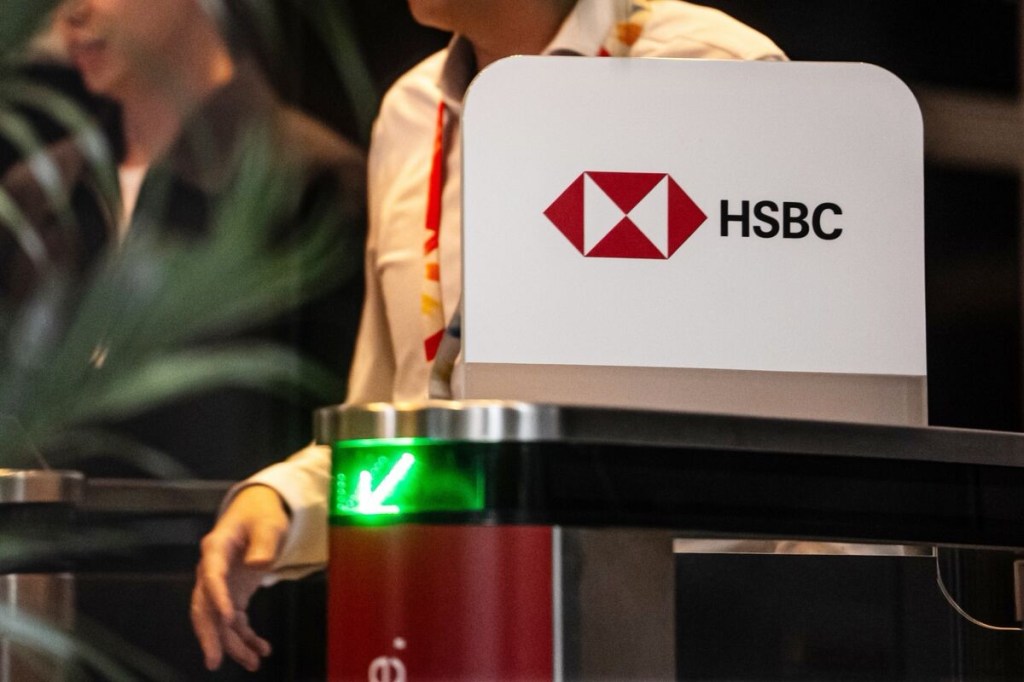
‼️ 🇮🇳 HSBC Holdings has deployed at least $3 billion into Indian government bonds since July, primarily in the 5-year maturity segment, as it seeks to invest funds raised under the Reserve Bank of India’s FCNR(B) diaspora dollar deposit program. The UK lender has mobilized over $10 billion through the scheme—outpacing global peers with $6.3 billion collected by July 30—while foreign banks have collectively raised $65.4 billion. Such inflows into sovereign debt, particularly shorter-duration bonds, are expected to help lower corporate borrowing costs in India.
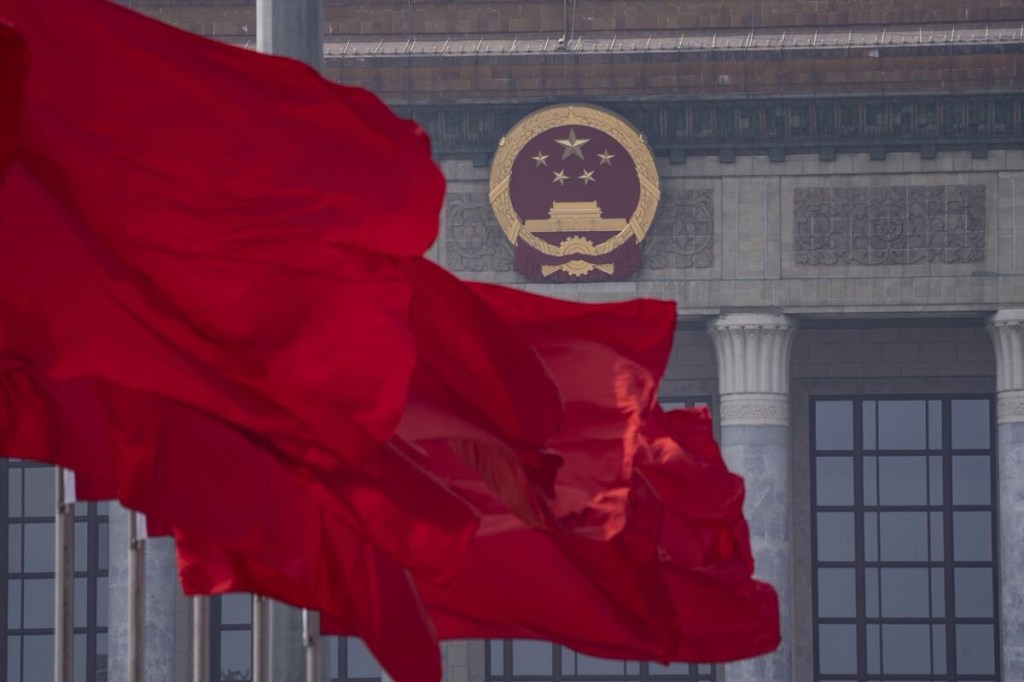
‼️ 🇨🇳 China’s top legislature is reviewing a draft Anti-Cross-Border Corruption Law that would formally empower authorities to pursue corruption cases overseas, extending President Xi Jinping’s sweeping anti-graft campaign beyond China’s borders. The National People’s Congress Standing Committee began its first reading of the bill during its Tuesday-to-Friday session, with the legislation designed to codify Beijing’s existing cross-border anti-corruption practices.
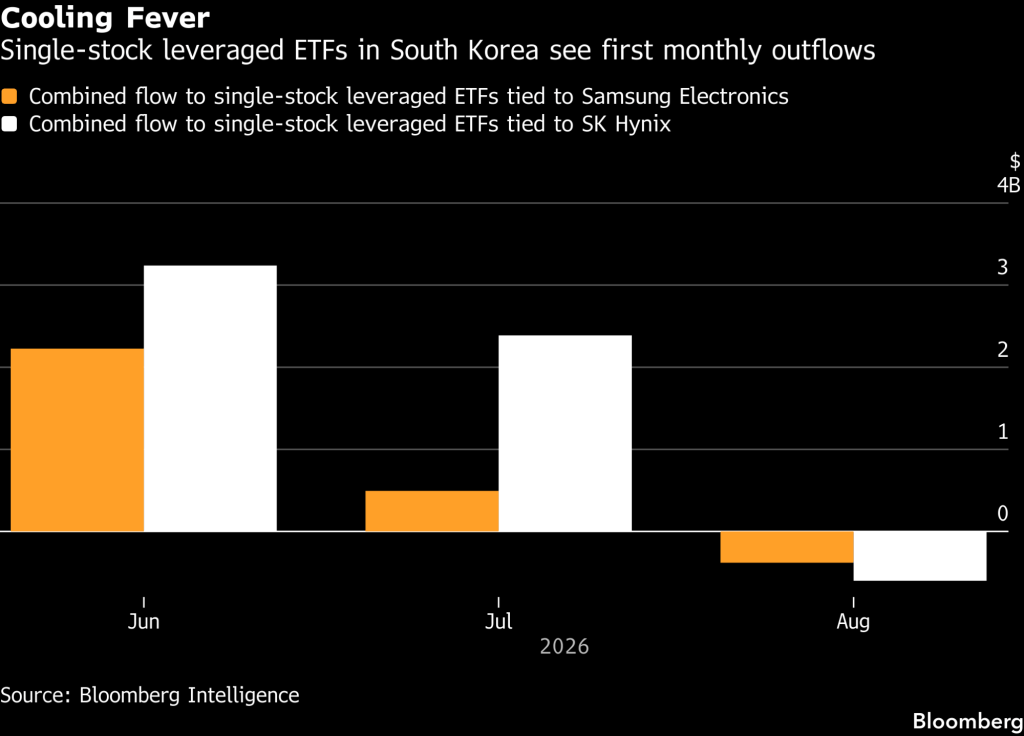
‼️ 🇰🇷 South Korea’s leveraged chipmaker ETFs have seen nearly $1 billion in August outflows as AI-trade enthusiasm cools and regulators move to restrain demand, with Samsung Electronics-linked products losing $381 million and SK Hynix trackers shedding $601 million.
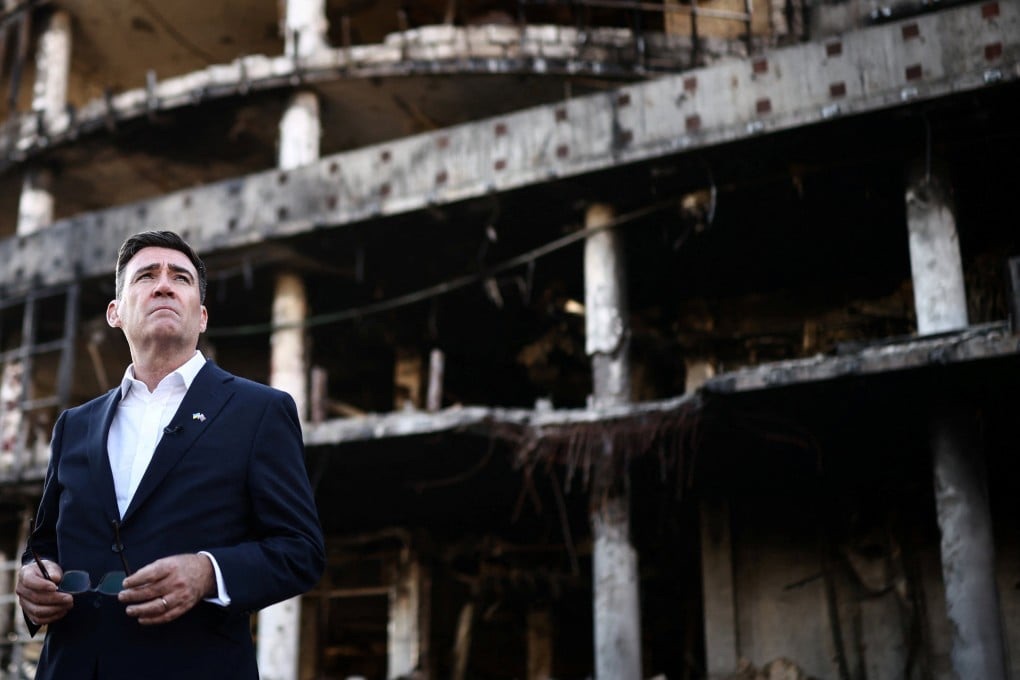
‼️ 🇬🇧 UK Prime Minister Andy Burnham will travel to New York in September for the UN General Assembly, where he and other European leaders plan to urge President Donald Trump to release Patriot air-defense stocks for Ukraine ahead of winter.
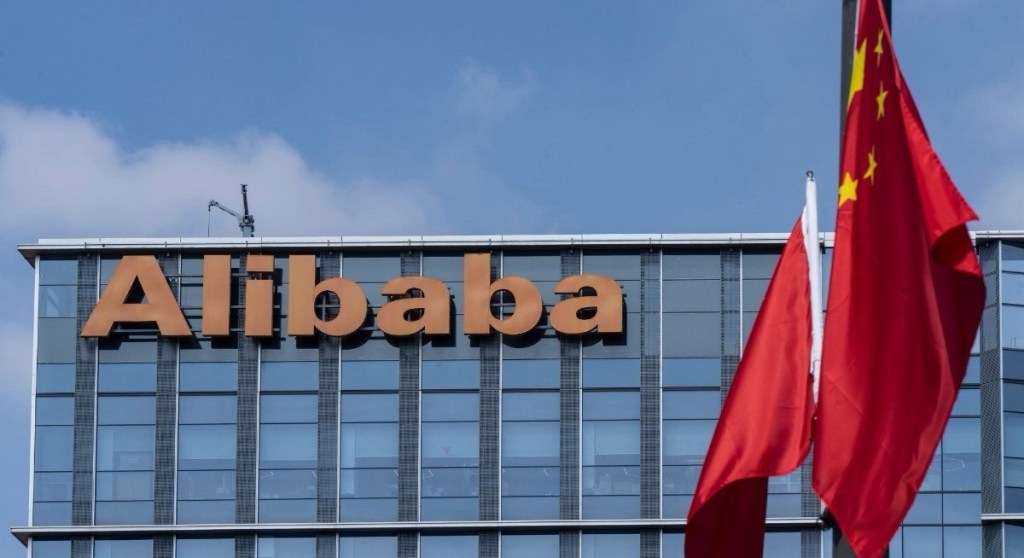
‼️ Alibaba Chairman Joe Tsai and CEO Eddie Wu bought a combined $15.3 million of company shares following its $10.2 billion AI funding deal, with Tsai purchasing 720,000 shares for about $10.3 million and Wu acquiring 350,000 shares for roughly $5 million.
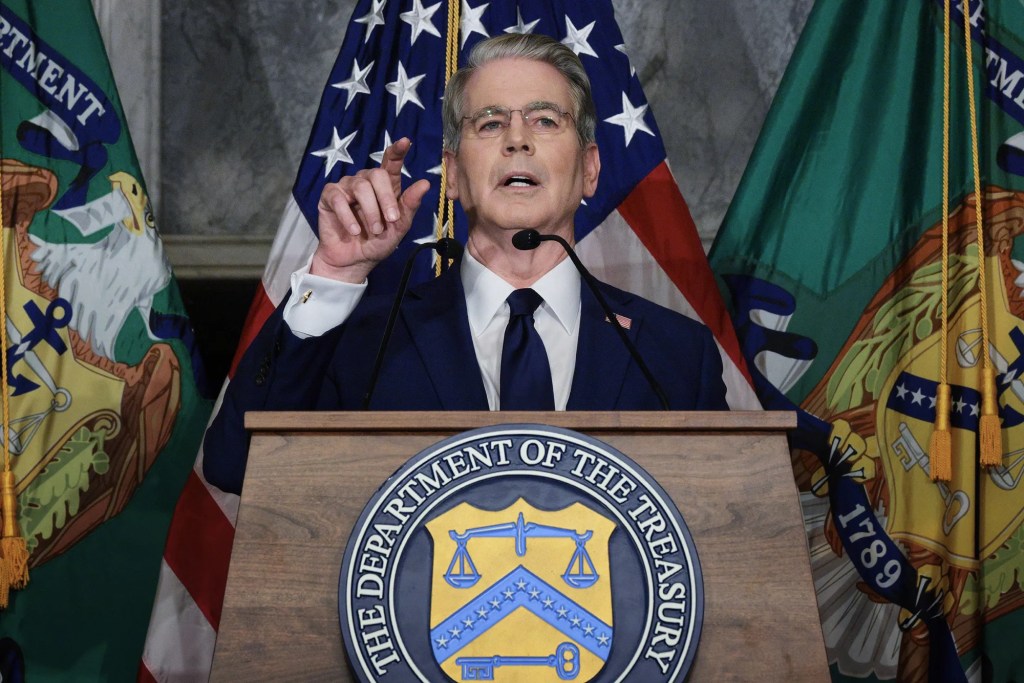
🇭🇰 🇨🇳 The Trump administration’s latest Iran sanctions target dozens of individuals and entities in China and Hong Kong under Treasury Secretary Scott Bessent’s “Operation Economic Outcast,” aiming to cut off Tehran’s remaining financial lifelines while deliberately avoiding major Chinese banks to limit broader economic and diplomatic fallout. The move mirrors earlier U.S. enforcement patterns seen in Russia-related sanctions and signals Washington’s intent to raise the cost of doing business with Iran without triggering the systemic risks that would come from sanctioning large Chinese financial institutions.
‼️ The US “economic D-Day” against Iran looked more like Grenada than Normandy, as Treasury Secretary Scott Bessent offered few details on how the initiative would secure Trump’s goal of fully reopening the Strait of Hormuz.










 AlgoTrader