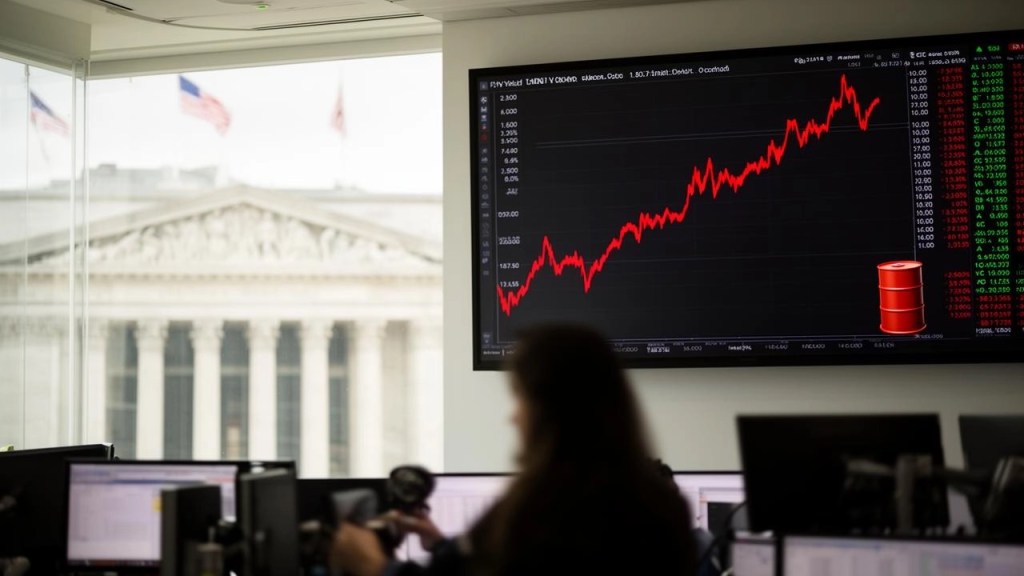
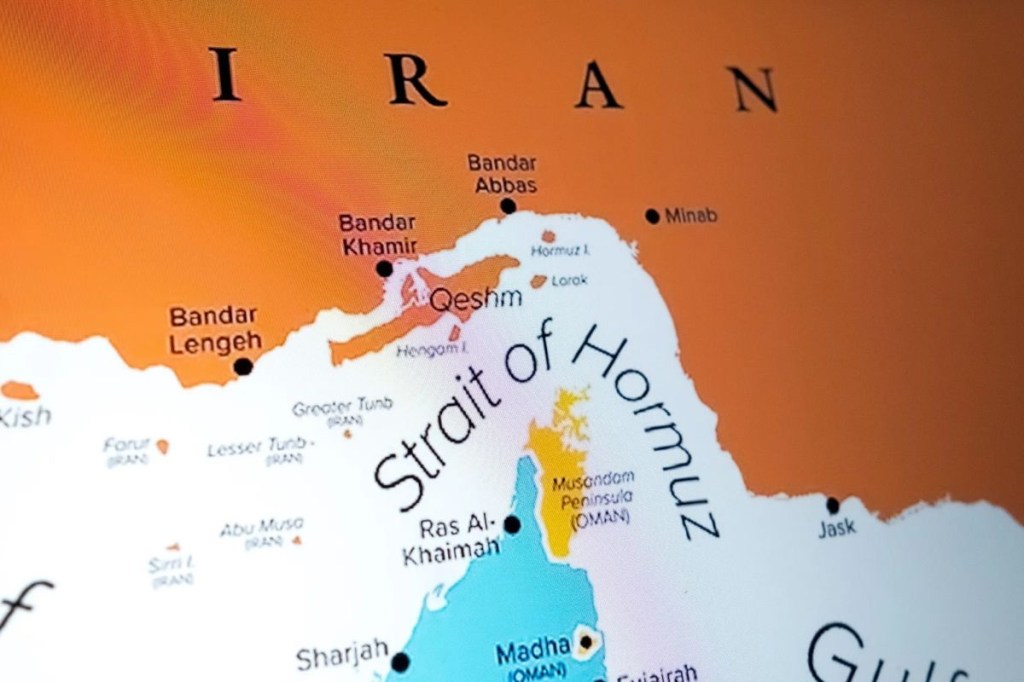
‼️ 💰 Treasuries extended last week’s selloff Monday as oil rallied after Trump rejected Iran’s latest proposal to reopen the Strait of Hormuz, stoking inflation fears; the rate-sensitive two-year yield rose five basis points to 4.90% and the 10-year climbed four basis points to 5.20%, with sovereign bonds in Japan and Australia also falling, extending a slide that had already pushed yields across tenors to multiyear highs on hawkish Fed commentary last week.
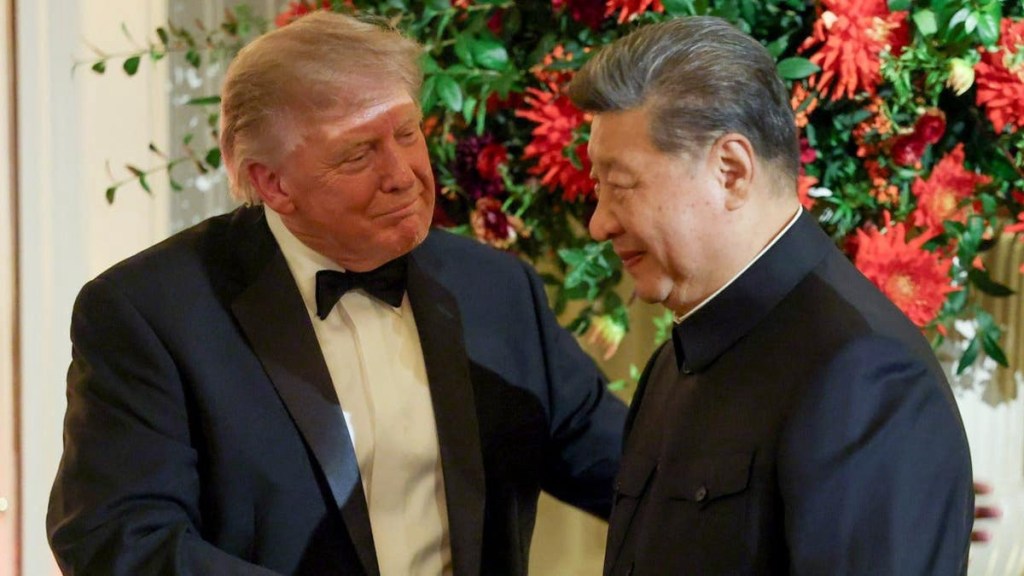
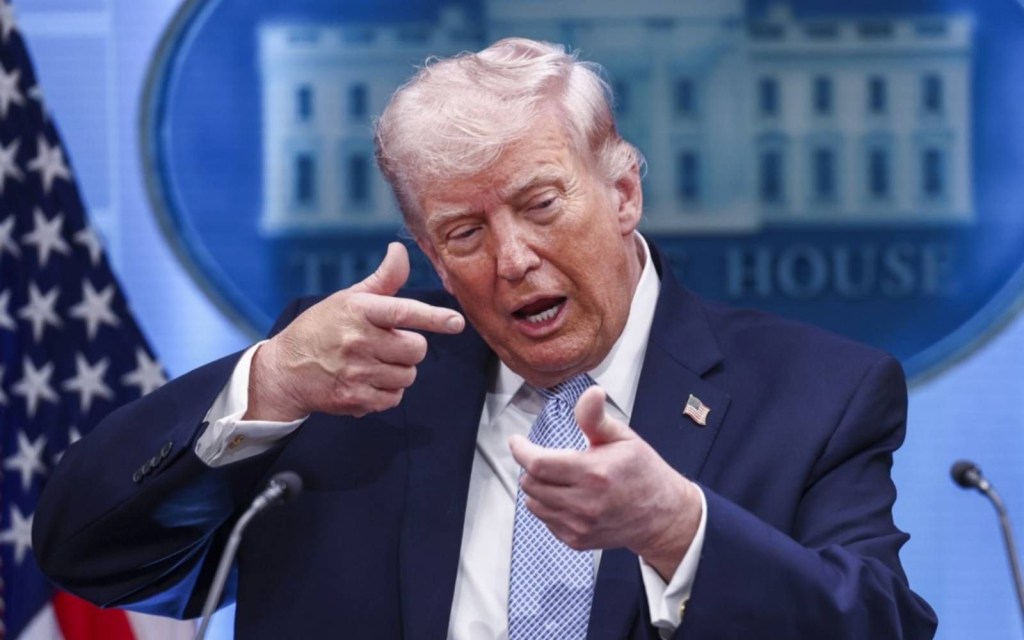
‼️ 🇮🇷 🇺🇸 President Trump said he expects talks with Iran to resume this week despite rejecting Tehran’s latest proposal to reopen the Strait of Hormuz, according to Axios. He noted the current Iranian offer resembles terms the US might have accepted roughly a year ago, adding that Iran has since “overplayed its hand.”
‼️ 🇮🇷 Iran’s Foreign Minister Abbas Araghchi said the country is still awaiting a formal US response to its seven-day proposal for reopening the Strait of Hormuz, and won’t soften its conditions despite President Trump’s public rejection of the plan. Araghchi noted Tehran hasn’t yet heard anything through mediators Qatar and Pakistan, criticized Trump’s remarks as inconsistent, and reiterated that only a negotiated solution can resolve the standoff over the critical energy chokepoint
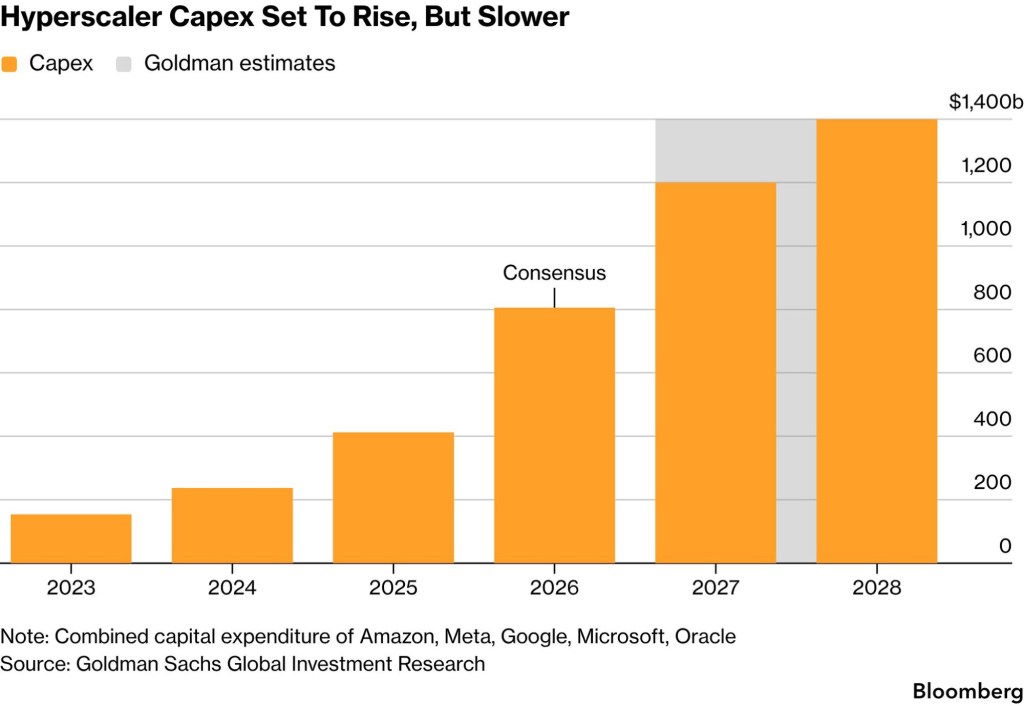
‼️ 🧠 Goldman Sachs strategists, led by Ryan Hammond, project that spending on AI infrastructure by the five largest US hyperscalers will rise more than 50% next year to $1.2 trillion—above Wall Street’s $1.1 trillion consensus for 2027 capex—with the firms needing roughly $300 billion in annual AI revenue in the coming years just to break even on that outlay.
‼️ 🇮🇷 🇺🇸 BREAKING: President Trump has rejected Iran’s proposal for a 7-day ceasefire and has told aides he expects to begin bombing Iran after the November midterms, per WSJ.